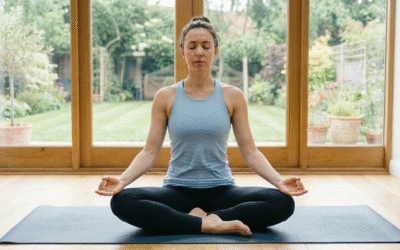
Kapalbhati / Kapalabhati Prāṇāyāma (Skull Shining Breath)
Kapalabhati is derived from two Sanskrit words — Kapāla meaning “skull” or “forehead” and Bhāti meaning “shining” or “illuminating.” Kapalabhati is a cleansing yogic breathing technique involving forceful exhalations powered by the abdominal muscles followed by...
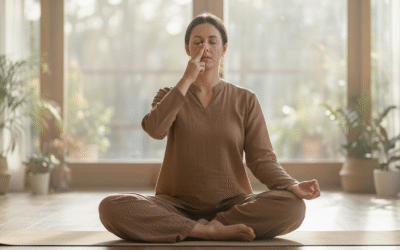
Nadi Shodhana / Nāḍī Śodhana Prāṇāyāma (Alternate Nostril Breathing)
Nāḍī Śodhana comes from two Sanskrit words — Nāḍī meaning “subtle energy channel” and Śodhana meaning “purification.” It is a yogic breathing technique where the breath is alternated between the left and right nostrils in a controlled manner. Traditionally, it is...
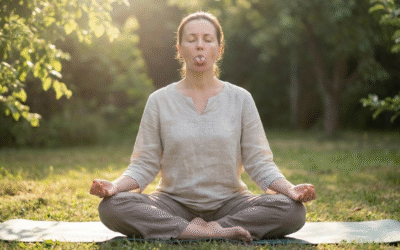
Sheetali / Śītalī Prāṇāyāma (Cooling Breath)
Śītalī comes from the Sanskrit root śīt meaning “cool” or “calm.” It is a yogic breathing technique where inhalation is drawn in through a rolled tongue (or tube-shaped tongue) and exhaled through the nose. The breath feels cool as it enters, reducing body heat and...
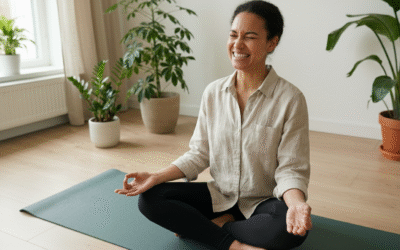
Sheetkari / Śītkārī Prāṇāyāma (Hissing Cooling Breath)
Śītkārī is derived from śīt (cooling) and kārī (that which produces). Unlike Śītalī, in Śītkārī the tongue is placed behind slightly opened teeth, and the inhalation is drawn in through the teeth, producing a gentle hissing sound. The exhalation is then released...
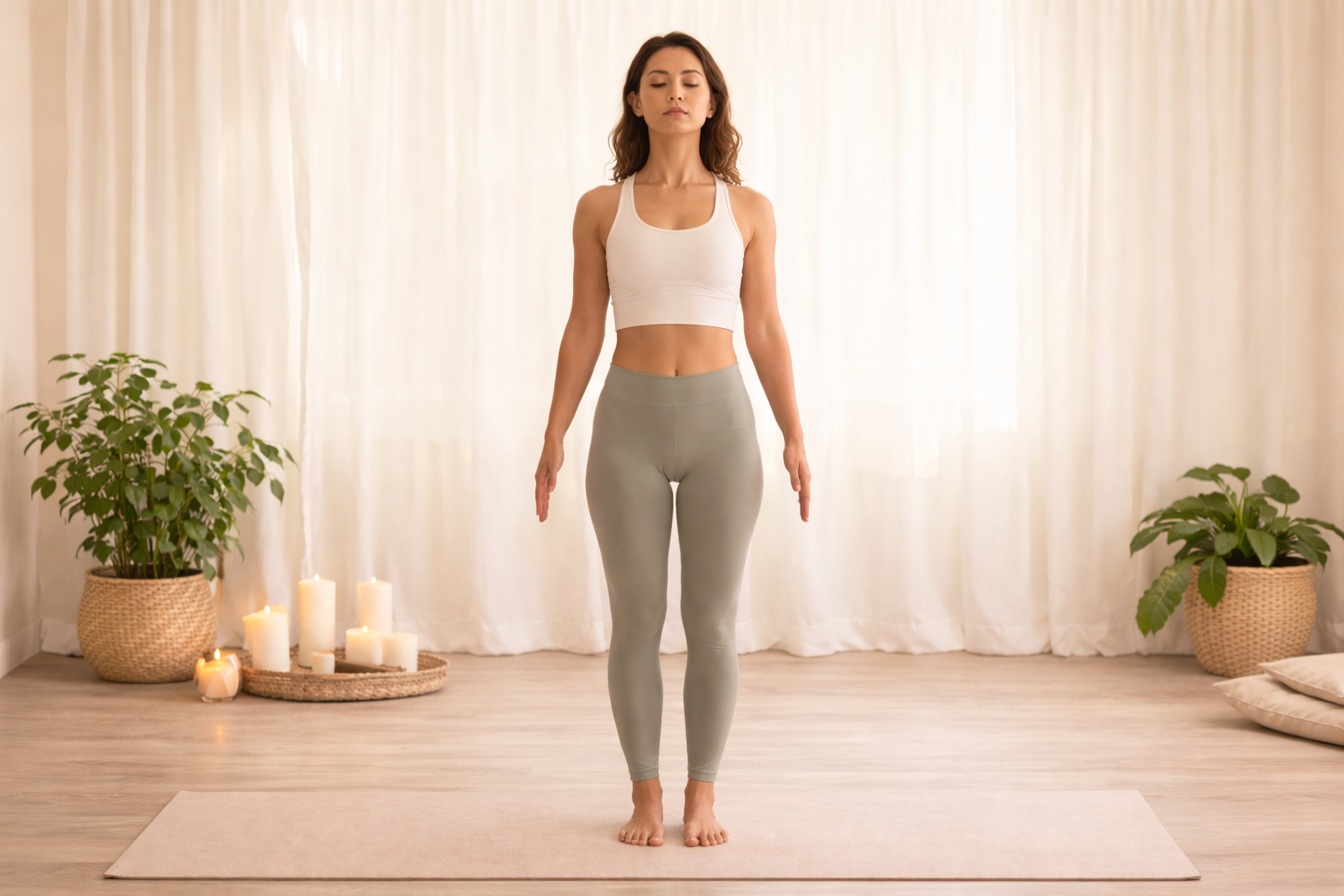
Mountain Pose (Tadasana)
Tadasana, or Mountain Pose, is the foundational standing posture in yoga. It represents stability, groundedness, and alignment, serving as the starting point for many other standing poses. Description & Steps: Stand with feet hip-width apart or together, grounding...
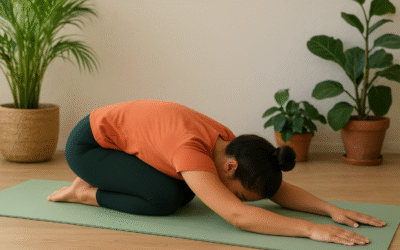
Child’s Pose (Balasana)
Balasana, or Child’s Pose, is a resting posture in yoga used to calm the mind, gently stretch the spine, and restore energy. It symbolizes surrender and introspection. Description & Steps: Kneel on the mat, touch the big toes together, and sit back on your heels...