Have you ever noticed feeling more emotional, energized or restless around the full moon or new moon. Just as the moon pulls the ocean tides, it can stir the subtle waters within us – our emotions, thoughts and energy. In many traditions, the moon is seen as a mirror of our inner world. When we align with this rhythm something beautiful happens we begin to move with life not against it.
The Moon & Our Emotions
At certain phases, be it full moon or new. Our energy might feel intense, our thoughts become little louder and our emotions rawer. This phase of the moon can amplify everything. This isn’t negative, it’s an opportunity to witness, observe and understand what’s within us. It’s a time for reflection, intention-setting and rest. In both phases the moon invites us to notice ourselves more deeply. Just as the tides rise and fall with the moon, so do we. We are nature too.
How Yoga, Breathwork & Meditation Help
When the moon stirs our inner tides, grounding practices like yoga, breathwork and meditation become powerful tools. They don’t just calm us, they help us align with the energy, rather than resist it.
Yoga brings the body into balance by slower, grounding and restorative poses which invites stillness.
Yoga Practices That Support Moon Energy
Chandra Namaskar (Moon Salutation):
A slow, flowing sequence designed to cultivate calm, softness, and inward awareness. Practice at a relaxed pace, letting the breath guide each movement.

Step-by-Step Practice
- Begin in Standing (Tadasana)
Stand comfortably with feet hip-width apart. Ground through the feet and allow the shoulders to relax. Take a few natural breaths. - Inhale – Raise the Arms
Lift both arms overhead, palms facing each other. Gently lengthen the spine and open the chest. - Exhale – Side Bend (Left)
Keeping the body relaxed, gently bend to the left side. Avoid collapsing—think of creating space along the side body. Breathe calmly. - Inhale – Return to Centre
Bring the torso back to centre with arms still raised. - Exhale – Side Bend (Right)
Gently bend to the right, keeping the movement soft and fluid. - Inhale – Return to Centre
Come back to centre, feeling length through the spine. - Exhale – Forward Fold
Lower the arms and fold forward from the hips. Bend the knees if needed and allow the head and neck to relax. - Inhale – Half Lift
Place hands on shins or thighs, lengthen the spine, and lift the chest slightly. - Exhale – Step Back to Low Lunge (Left Leg Back)
Step the left leg back, lowering the knee to the floor if comfortable. Hands can rest on the mat or thighs. - Inhale – Gentle Backbend or Open Chest
Lift the chest slightly, opening the front body without strain. - Exhale – Step Forward
Bring the left foot forward to meet the right, returning to a forward fold. - Inhale – Rise Up
Slowly roll up to standing, lifting the arms overhead. - Exhale – Lower the Arms
Bring the arms down by your sides, returning to standing.
Repeat on the Other Side ,Repeat the same sequence, stepping the right leg back into the lunge.
Child’s Pose (Balasana)
Creates a sense of safety and inward grounding
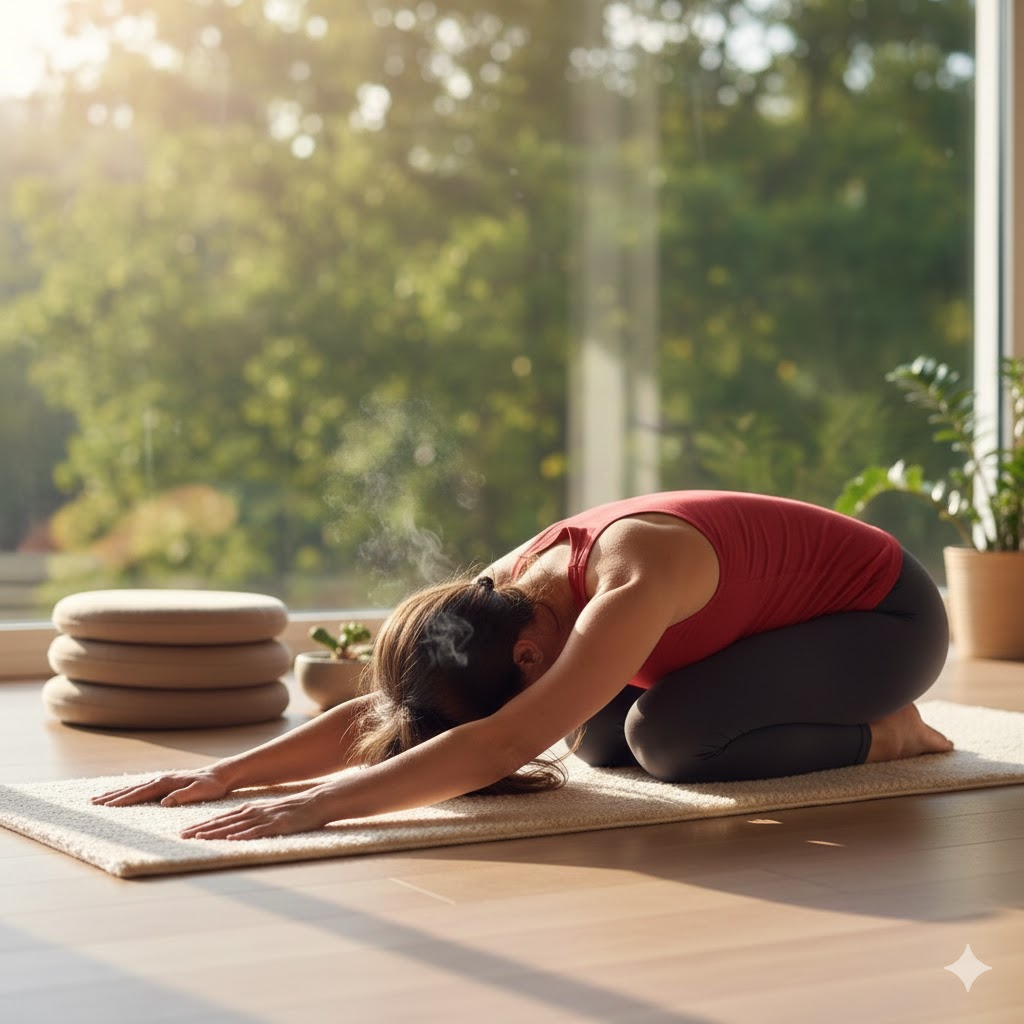
Come onto your knees and gently fold the torso forward, allowing the forehead to rest on the mat or a cushion. Keep the arms relaxed, either stretched forward or resting alongside the body. Breathe softly into the back and belly. Stay for 1–3 minutes, letting the body feel supported and at ease..
Seated Forward Fold (gentle)
Encourages quiet reflection and emotional release.
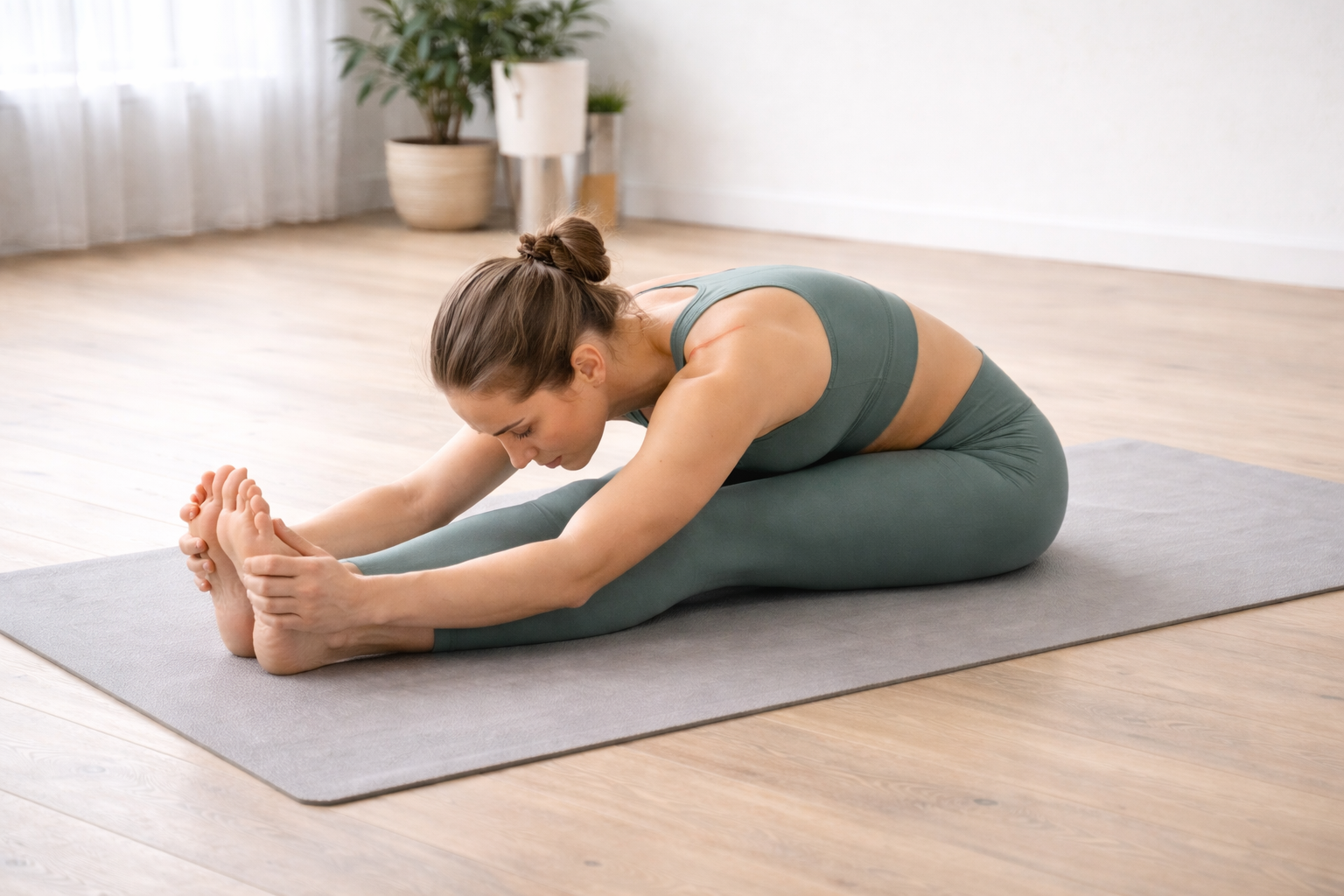
Sit comfortably with legs extended or slightly bent. Inhale to lengthen the spine, and exhale to gently fold forward from the hips. Rest the hands wherever they naturally fall. Use a cushion or folded blanket under the thighs or torso for support. Remain for 1–2 minutes, keeping the breath calm and steady.
Reclined Bound Angle Pose (Supta Baddha Konasana)
Opens the heart gently and supports deep rest.
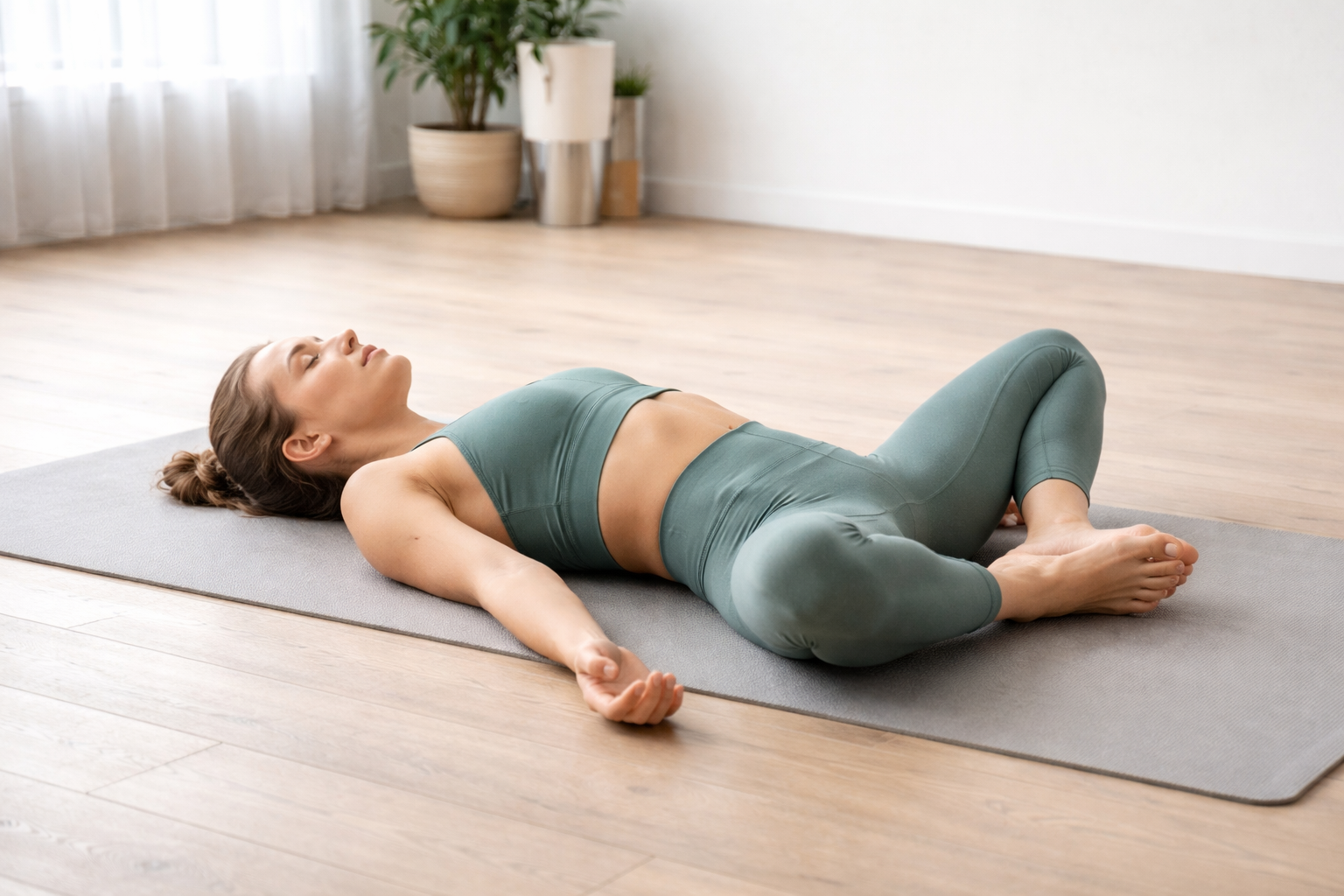
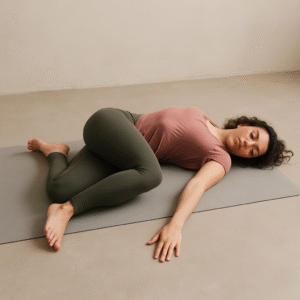
Lie on your back and bring the soles of the feet together, allowing the knees to open comfortably. Support the knees with pillows or blocks if needed. Place one hand on the heart and one on the belly. Stay here for 3–5 minutes, breathing slowly and allowing the body to fully relax.
Legs Up the Wall (Viparita Karani)
Soothes the nervous system and promotes emotional balance.
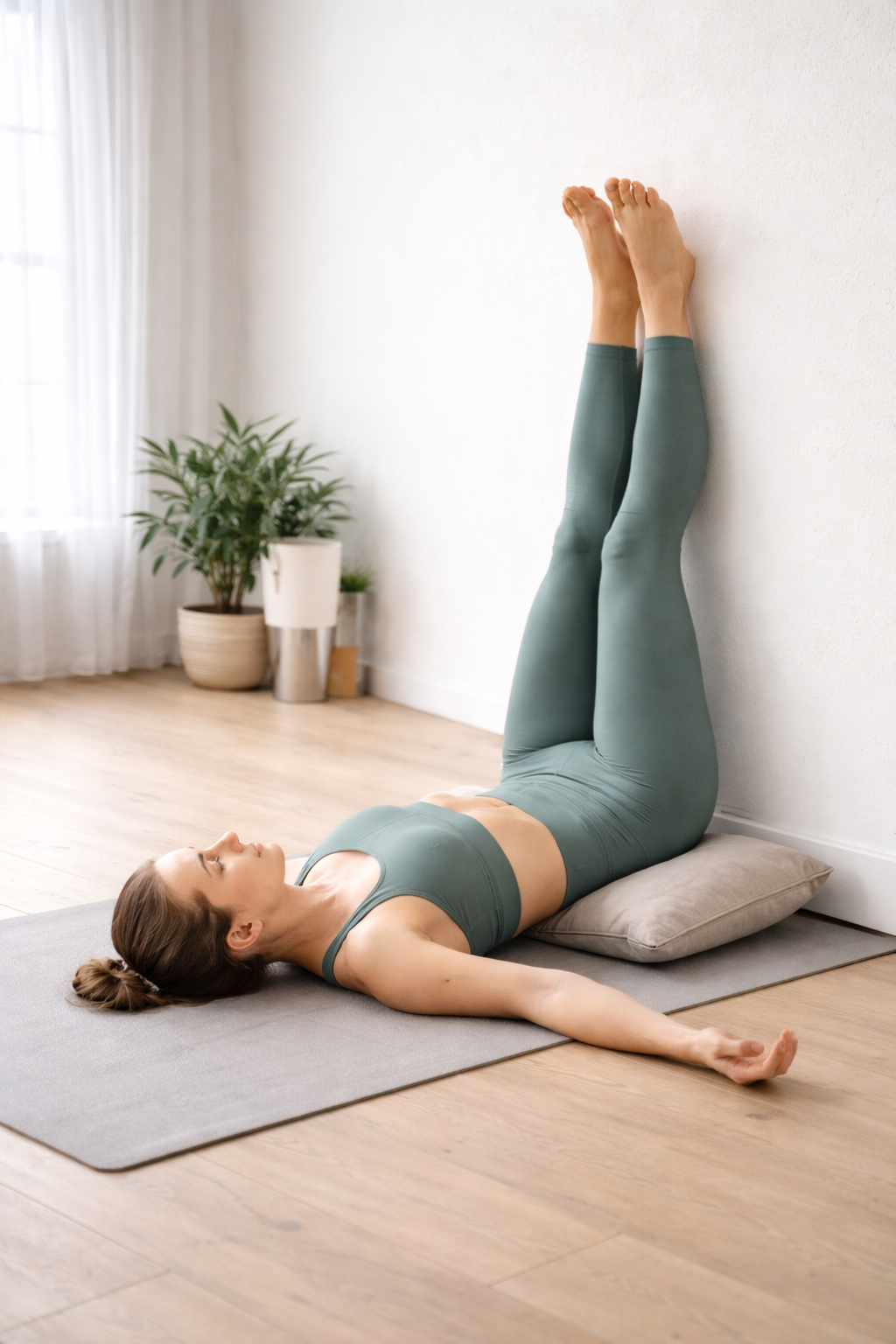
Sit close to a wall and gently swing the legs up as you lie back. Adjust your position so the legs feel relaxed rather than strained. Place a cushion or folded blanket under the hips if comfortable. Rest the arms by your sides or on the abdomen. Stay for 3–5 minutes, breathing naturally.
Savasana
Allows the body and mind to fully rest and absorb calm energy.
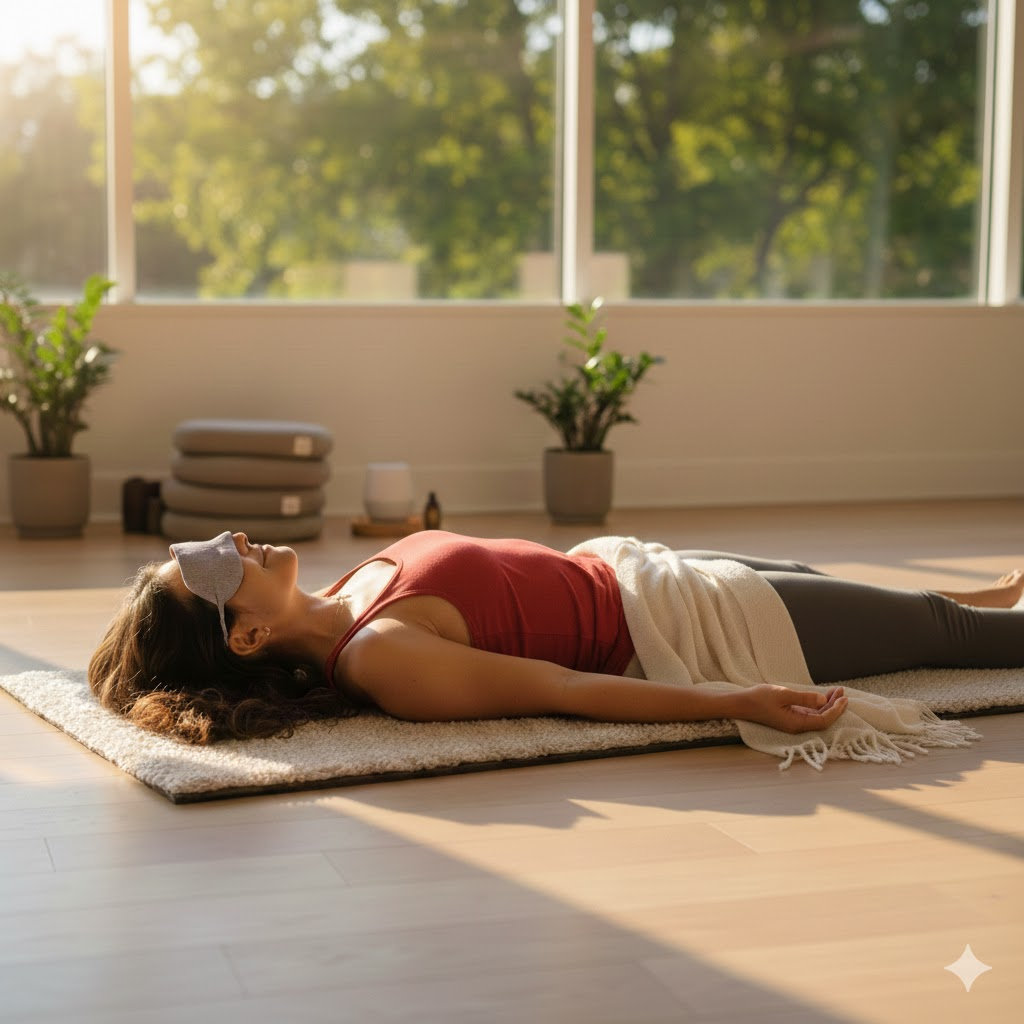
Use suitable yoga mat, add some cushions, pillows, or blankets under the back, knees, or hips to stay comfortable—moon practices are about ease, not effort.
Breathwork settles the nervous system. Simple practices like alternate nostril breathing or soft belly breaths can ease emotional waves.

Cooling, rhythmic breathing helps settle emotions and quiet the mind:
Chandra Bhedana (Moon-Piercing Breath)
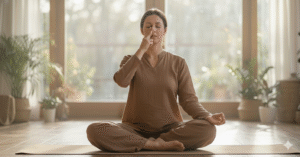
Sit comfortably with a straight spine—cross-legged on the floor or on a chair with feet flat. Relax your shoulders and place your hands on your knees.
Breathing in through the left nostril and out through the right encourages calm and cooling energy.
Nadi Shuddhi (Alternate Nostril Breathing)
Balances energy, supports emotional clarity, and creates inner harmony.
Close the right nostril with your thumb and inhale through the left, then close the left nostril with your ring finger and exhale through the right. Continue alternating nostrils for a few minutes to balance energy and calm the mind.
Slow Belly Breathing
Sit comfortably or lie down, place your hands on your belly, inhale deeply feeling it rise, then exhale slowly letting it fall. Repeat steadily to relax the body and calm the mind.
Gentle inhales and longer exhales help the body relax deeply.
Practice slowly, without force, and stop if anything feels uncomfortable.
Moon meditation is reflective, soothing, and intuitive rather than focused or intense:

Select the Practices That Feel Right for You
- Moon Gazing (Trataka – soft focus)
Gently gazing at the moon for a few moments, then closing the eyes and sensing its calm presence. - Guided Body Awareness
Slowly bringing attention to different parts of the body, allowing them to soften. - Lunar Visualization
Imagine cool, silvery moonlight gently flowing through your body, calming emotions and quieting the mind. - Silent Sitting with Breath Awareness
Simply observing the natural rhythm of your breath without control.
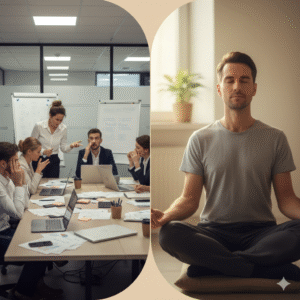
Sitting on a cushion can help keep the spine supported and comfortable during meditation, breathwork, and using bolster during yoga practices give you good support for your practices
Simple Moon Rituals to Try
Simple Moon Rituals to Try
Create a sacred space at home—this could be a quiet corner with a cushion, a soft lamp or candle, music or chants and a few meaningful items such as crystals, idols, or natural objects. The intention is not perfection, but creating a space where you feel safe, calm, and connected.
Take a few moments to write down what you’re ready to release—old thoughts, habits, or emotions that no longer serve you. As a symbolic gesture, you may choose to safely burn the paper or bury it in the earth, allowing yourself to let go.
Next, set a gentle intention. Light a candle or lamp, sit comfortably, and spend a few moments in stillness. Visualize what you wish to invite into your life—peace, clarity, balance, or renewal.
Let these moments remain soft, meaningful, and simple.