Introduction: Living in the age of overstimulation
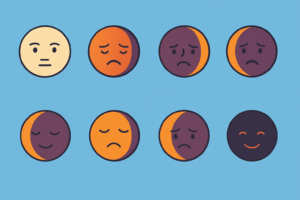
We live in a world where our senses are rarely at rest. From the moment we wake up, technology, traffic noise, social demands, and information overload flood our nervous system. While the human body is designed to respond to occasional stress, it is not built for constant sensory bombardment. This continuous stimulation leaves many people easily irritated, anxious, or emotionally drained.
In yogic philosophy, the mind is compared to a still lake — clarity comes when the water is calm. Overstimulation is like throwing pebbles after pebbles into the lake, disturbing its stillness until no reflection is visible.
What is overstimulation?
Overstimulation (also known as sensory overload) occurs when your brain is processing more information than it can handle comfortably. This includes:
- Excessive noise, light, or movement.
- Too much mental input — multitasking, rapid decision-making.
- Emotional triggers from constant social media or news exposure.
How the brain reacts
Neuroscience shows that constant input keeps the sympathetic nervous system active — the part responsible for “fight or flight” responses. Without regular breaks, this heightened state becomes your baseline, making even small stressors feel overwhelming.
Why overstimulated people react easily
When your nervous system is already running on high alert, you have less emotional bandwidth to respond calmly. Think of it like a battery that’s always low — even a minor drain causes shutdown.
Common signs include:
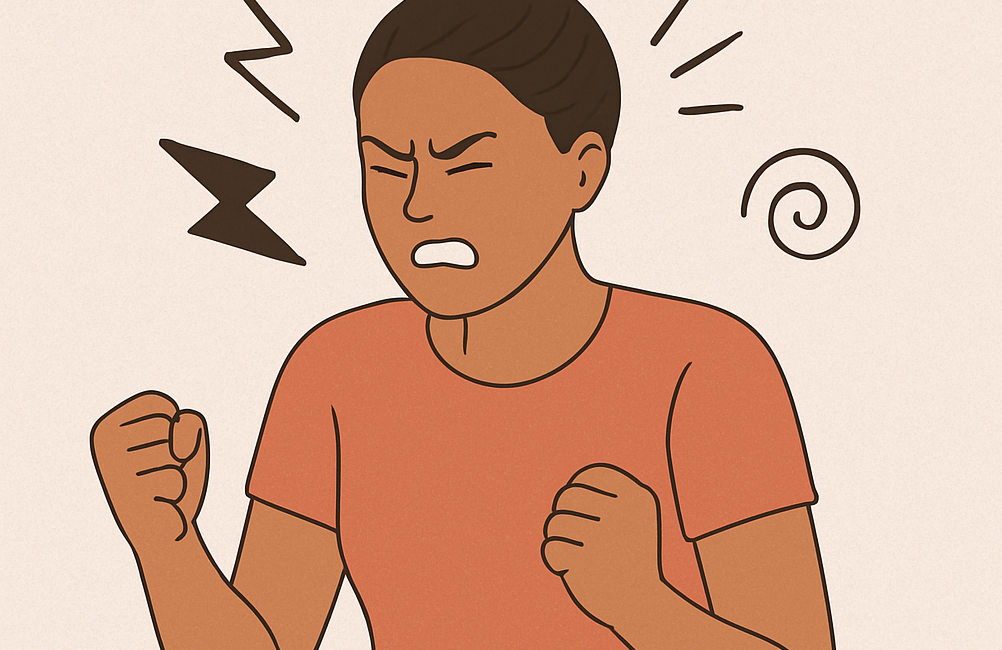
- Irritability over minor issues.
- Anxiety without a clear trigger.
- Difficulty concentrating or remembering details.
- Emotional overreaction to small inconveniences.
How modern technology amplifies stimulation
While life has always had stressors, modern technology has amplified them. Smartphones, social media, and constant connectivity create dopamine spikes with every notification. Over time, this makes the brain crave novelty and quick rewards, reducing patience and focus.
Digital triggers of sensory overload
- Constant notifications interrupting thought flow.
- Bright, fast-moving visuals overstimulating the eyes.
- Multitasking between apps, emails, and conversations.
- Endless scrolling preventing mental rest.
Yogic & Science-Backed tools to calm overstimulation
1. Pratyahara (Sensory Withdrawal)
In yoga, Pratyahara means consciously turning attention inward. Try:
- 5 minutes with eyes closed in a quiet space.
- Softening your gaze or using an eye pillow.
- Practicing Shanmukhi Mudra to gently close the senses.
Instructions
- Sit comfortably with your spine upright and shoulders relaxed.
- Gently close the senses: place the thumbs over the ears, index fingers on the eyelids, middle fingers beside the nose, ring fingers above the upper lip and little fingers below the lower lip.
- Breathe slowly and naturally, staying in the mudra as long as you comfortably can, and observe the inner calm and subtle changes.
Also, one can consider using a soft eye mask as an alternative to reduce visual stimulation and encourage sensory rest
2. Conscious breathwork
Breathing slowly signals safety to the brain.
- Box Breathing: Inhale for 4, hold for 4, exhale for 4, hold for 4
- Nadi Shodhana: Alternate nostril breathing to balance hemispheres of the brain
3. Digital detox windows
Set daily “no-screen” zones — first 30 minutes after waking and last 30 before sleep. Replace with light stretching, music ,chanting, or simply watching the sunrise.
Soft nature sounds, such as ocean waves or birdsong, can also help create a calming, screen-free environment.
4. Nature connection
Walking barefoot on grass (earthing) or spending time near trees naturally lowers cortisol and steadies the nervous system.
If time is limited, grounding mats offer an easy way to experience the calming effects of earthing, even indoors.
Conclusion: Returning to Calm
The mind naturally settles when it is given space and care. Gentle practices like mindful breathing, sensory rest, and time in nature remind the nervous system how to slow down and restore balance. With small, consistent moments of awareness, inner calm becomes more accessible, and clarity begins to flow again. Like a still lake, the mind regains its ability to reflect life with ease, presence, and quiet strength.